Blog

  • The Power of Reading in 2026: How to Improve Knowledge and Skills

    The Power of Reading in 2026: How to Improve Knowledge and Skills

    Reading is one of the most important habits for personal growth, learning, and success. In 2026, the way people read has changed drastically with digital books, audiobooks, and online platforms making reading easier and more accessible than ever.

    Whether you are a student, professional, or a casual reader, developing a consistent reading habit can have long-term benefits for your mind and career.


    Why Reading is Important

    Reading is more than just a hobby. It helps in:

    • Enhancing knowledge and understanding of the world
    • Improving focus, concentration, and memory
    • Developing critical thinking and analytical skills
    • Reducing stress and improving mental well-being

    People who read regularly tend to perform better academically and professionally because reading improves both comprehension and cognitive abilities.


    Modern Reading Trends in 2026

    1. Digital Reading

    E-books and online articles are now more popular than physical books in many countries. Platforms like Kindle, Google Books, and other apps allow users to carry thousands of books on a single device.

    Benefits of digital reading:

    • Access books anytime, anywhere
    • Adjustable fonts and night mode for comfort
    • Integrated dictionaries and note-taking features

    2. Audiobooks

    Audiobooks are a growing trend in 2026. They allow people to learn and enjoy books while commuting, exercising, or doing household work.

    Advantages of audiobooks:

    • Improve listening and comprehension skills
    • Make long books easier to complete
    • Support multitasking without losing content quality

    3. Reading for Personal Development

    Self-help, business, and motivational books are becoming increasingly popular. Many readers in 2026 focus on books that teach practical life skills and strategies for personal growth.


    How to Build a Reading Habit

    1. Set a Reading Goal
      Decide how many pages or chapters you want to read daily. Even 20–30 minutes of reading daily can make a huge difference over time.
    2. Choose Books Wisely
      Pick books that interest you and match your goals. Mix fiction, non-fiction, and self-development books for a balanced reading experience.
    3. Create a Reading Routine
      Set a fixed time for reading, whether it’s in the morning, during lunch, or before bed. Consistency is key to developing a lasting habit.
    4. Take Notes and Summarize
      Highlight key points and take notes. Summarizing helps retain information and improves understanding.
    5. Use Digital Tools
      Apps like Kindle, Audible, and Goodreads can help track reading progress and discover new books.

    Benefits of Reading Regularly

    • Mental Stimulation: Reading keeps your brain active and sharp.
    • Knowledge Expansion: You learn new ideas, cultures, and skills.
    • Better Communication Skills: Exposure to words and language improves writing and speaking.
    • Stress Reduction: Reading can be a relaxing escape from daily stress.

    Recommended Books to Read in 2026

    • Self-Development: “Atomic Habits” by James Clear
    • Fiction: “Project Hail Mary” by Andy Weir
    • Business & Finance: “The Psychology of Money” by Morgan Housel
    • Personal Growth: “Think Again” by Adam Grant

    Mixing genres helps readers stay engaged and gain a wide perspective on knowledge.


    Final Thoughts

    Reading is no longer just a pastime; it is a skill that enhances learning, creativity, and personal growth. In 2026, combining traditional books with digital platforms and audiobooks allows readers to maximize knowledge and make reading a daily habit.

    Start small, pick books that interest you, and gradually increase your reading time. By making reading a consistent part of your life, you can improve your skills, broaden your knowledge, and stay ahead in today’s fast-paced world.

  • The Rise of Audiobooks: Are They Replacing Traditional Reading?

    The Rise of Audiobooks: Are They Replacing Traditional Reading?

    In 2026, audiobooks have become a dominant force in the reading world. With advancements in digital technology, smartphones, and streaming platforms, listening to books has become easier than ever. But the big question remains: Are audiobooks replacing traditional reading, or are they simply complementing it?

    1. The Growing Popularity of Audiobooks

    Audiobooks have seen a surge in popularity over the past decade. Busy lifestyles, long commutes, and multitasking habits have made listening to books a convenient alternative to traditional reading. Platforms like Audible, Scribd, and Google Audiobooks provide instant access to thousands of titles, making literature more accessible to a wide audience.

    2. Benefits of Listening to Audiobooks

    • Convenience: You can listen anywhere — while driving, exercising, or cooking.
    • Accessibility: Audiobooks are beneficial for visually impaired readers or those with reading difficulties.
    • Time Efficiency: Listening allows multitasking while still consuming books.
    • Engagement: Professional narrators and sound effects can make stories more immersive.

    3. The Impact on Traditional Reading

    While some worry that audiobooks may reduce the time spent reading printed books, research shows that they often complement traditional reading. Many listeners use audiobooks to explore genres or titles they may later read in print. For some, audiobooks serve as a gateway to develop a deeper interest in literature.

    4. Audiobooks and Learning

    Audiobooks are not just for leisure. They support language learning, improve listening skills, and enhance comprehension for people of all ages. Listening to well-narrated books can expand vocabulary and understanding of sentence structure, especially for second-language learners.

    5. Trends in Audiobook Production

    In 2026, audiobook production has become increasingly sophisticated:

    • Celebrity Narrators: Famous actors and authors narrate popular books, attracting new listeners.
    • Immersive Audio: Some audiobooks include sound effects, music, and multiple voice actors.
    • Interactive Features: Advanced apps allow highlighting text and syncing with e-books while listening.

    6. Challenges of Audiobooks

    • Retention Issues: Some studies suggest that listeners may retain less information compared to reading printed text.
    • Distractions: Multitasking while listening can reduce comprehension.
    • Limited Availability: Not all books are available in audio format, especially niche or academic titles.

    7. Audiobooks vs E-Books and Print

    Audiobooks, e-books, and printed books serve different purposes:

    • Audiobooks: Convenient, immersive, and suitable for multitasking.
    • E-books: Portable, searchable, and easy to annotate.
    • Printed Books: Tangible, immersive, and often preferred for deep reading and retention.

    A balanced approach, combining all three, allows readers to maximize benefits based on context and preference.

    8. The Future of Audiobooks

    By 2026, audiobooks are expected to continue growing, integrating with AI-powered personalization, immersive soundscapes, and interactive learning features. They are likely to coexist with traditional reading rather than replace it, expanding the ways people engage with literature.

    Conclusion

    Audiobooks have transformed the reading experience, offering convenience, accessibility, and entertainment for a new generation of readers. While they may change the way people consume books, they are not a replacement for traditional reading. Instead, audiobooks complement print and digital formats, making literature more accessible and adaptable to modern lifestyles.

  • Top 10 Book Genres That Will Dominate 2026

    Top 10 Book Genres That Will Dominate 2026

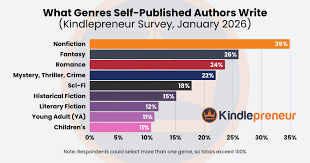
    The reading landscape in 2026 is evolving rapidly, influenced by digital platforms, global trends, and shifting reader preferences. Certain genres are gaining popularity due to their relevance, accessibility, and ability to connect with readers’ interests and lifestyles. For book lovers, authors, and publishers, understanding these trends is key to staying ahead in the literary world.

    Here are the top 10 book genres that are expected to dominate in 2026.

    1. Science Fiction and Futuristic Fiction

    With rapid advancements in AI, space exploration, and biotechnology, science fiction continues to captivate readers. Sci-fi books that explore futuristic societies, artificial intelligence dilemmas, or space colonization are particularly appealing in 2026, blending imagination with real-world technological possibilities.

    2. Personal Development and Self-Help

    Readers are increasingly interested in personal growth, mental health, productivity, and emotional intelligence. Self-help books with actionable advice, mindfulness techniques, and practical life strategies are seeing significant demand, especially in the digital era where readers seek quick, applicable insights.

    3. Mystery, Thriller, and Crime

    Suspenseful storytelling never goes out of style. Mystery and crime novels captivate readers by engaging problem-solving skills and curiosity. Psychological thrillers, crime investigation stories, and international espionage novels are particularly popular in 2026.

    4. Fantasy and Adventure

    Epic fantasy worlds, magical realms, and adventurous quests continue to attract young adults and adult readers alike. Readers in 2026 gravitate toward immersive stories that offer escape, rich character development, and imaginative landscapes, often influenced by gaming and cinematic adaptations.

    5. Romance and Contemporary Love Stories

    Romance novels remain one of the most popular genres globally. Contemporary love stories, romantic comedies, and LGBTQ+ romance narratives are trending, reflecting evolving social norms and diverse perspectives. Readers enjoy engaging emotionally and exploring modern relationships through literature.

    6. Historical Fiction

    Historical fiction offers readers a journey to the past, blending factual history with creative storytelling. Books that explore untold historical events, cultural heritage, or famous historical figures are highly sought after, providing both education and entertainment.

    7. Non-Fiction and Biographies

    Readers continue to enjoy stories about real people and events. Biographies, memoirs, and true stories about influential figures, innovators, and unsung heroes remain a strong trend. Non-fiction books covering social issues, environmental challenges, and scientific breakthroughs also have growing relevance in 2026.

    8. Dystopian and Post-Apocalyptic Fiction

    Dystopian and post-apocalyptic narratives reflect societal anxieties, climate concerns, and technological fears. These books engage readers by exploring survival, ethics, and human resilience in imagined extreme scenarios. With global issues becoming more pressing, this genre continues to resonate.

    9. Young Adult (YA) Fiction

    YA fiction remains a powerhouse genre, combining elements of fantasy, romance, adventure, and coming-of-age stories. YA books often address identity, mental health, and social challenges, appealing to teens and adults alike who seek relatable narratives and engaging storytelling.

    10. Health, Wellness, and Lifestyle

    Books focused on nutrition, fitness, mental well-being, and holistic lifestyles are increasingly popular. Readers in 2026 are more conscious of their health and lifestyle choices, making this genre a top choice for practical guidance and motivation.

    Why These Genres Are Trending

    The popularity of these genres reflects a combination of global events, technology influence, and evolving cultural values. Digital platforms, e-books, and social media also play a role by amplifying trends, making it easier for readers to discover and engage with content they love.

    Tips for Readers in 2026

    • Explore multiple genres to expand your perspective.
    • Use digital reading platforms to discover trending books and authors.
    • Join online book communities for recommendations and discussions.
    • Balance fiction and non-fiction to combine entertainment with learning.

    Conclusion

    The reading world in 2026 is vibrant, diverse, and influenced by global trends and technology. From futuristic sci-fi to heartwarming romance, these top 10 genres offer something for every reader. By exploring these genres, readers can stay ahead of literary trends while enjoying a richer, more engaging reading experience.


  • How Digital Reading Is Changing the Way We Learn

    How Digital Reading Is Changing the Way We Learn

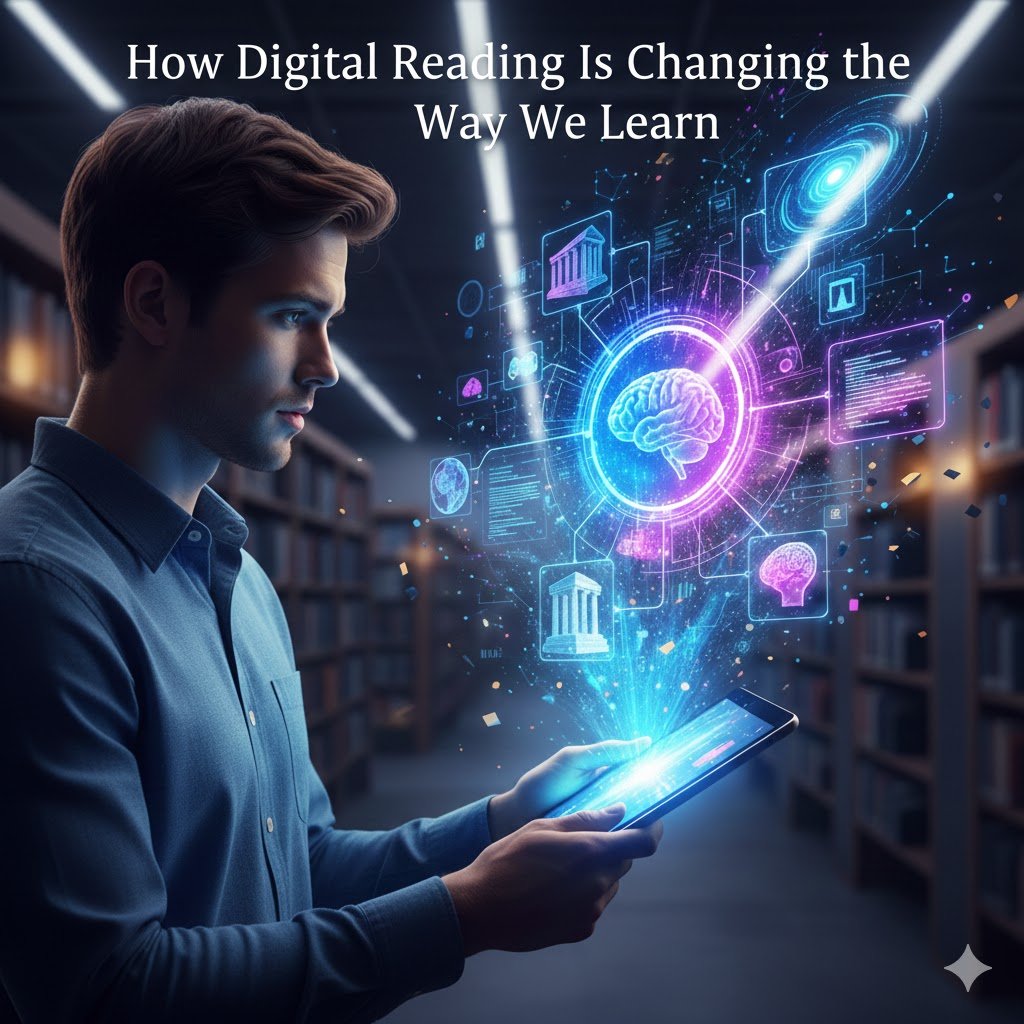
    In 2026, digital reading has become an integral part of how people access information and learn. E-books, online articles, audiobooks, and educational apps have transformed the traditional way of reading, offering convenience, accessibility, and interactive learning experiences. This shift is impacting students, professionals, and casual readers alike.

    1. Access to a Vast Library at Your Fingertips

    Digital reading platforms allow users to carry thousands of books and resources on a single device. Students can instantly access textbooks, research papers, and study guides without worrying about space or cost. Professionals can read industry updates, manuals, and e-books anywhere, making learning more efficient and flexible.

    2. Interactive and Multimedia Content

    Unlike printed books, digital reading can include interactive features such as videos, audio explanations, hyperlinks, and quizzes. These features enhance comprehension and engagement, especially for visual and auditory learners. Educational publishers in 2026 increasingly rely on interactive digital formats to make learning more effective.

    3. Personalized Learning Experience

    Digital reading platforms often use AI and adaptive technology to suggest content based on user interests, reading speed, and comprehension levels. Students can receive tailored recommendations, while casual readers discover new authors and genres suited to their preferences. Personalization improves motivation and retention of information.

    4. Improved Note-Taking and Annotation

    Digital devices allow readers to highlight text, take notes, and bookmark pages efficiently. Notes can be organized, searched, and shared with classmates or colleagues. This enhances learning productivity and allows for easier revision, especially for academic or professional study.

    5. Encourages Continuous Learning

    With smartphones, tablets, and e-readers, reading and learning can happen anytime — during commutes, breaks, or waiting periods. The ease of accessing educational content encourages people to learn continuously, promoting lifelong education habits.

    6. Supports Accessibility and Inclusivity

    Digital reading offers features that assist people with disabilities, such as text-to-speech, adjustable fonts, high-contrast modes, and translation tools. In 2026, more inclusive design ensures that everyone, regardless of physical or language barriers, can engage with content effectively.

    7. Environmental Benefits

    By reducing reliance on printed books, digital reading contributes to sustainability. Fewer trees are cut down for paper production, and the carbon footprint associated with shipping books is reduced. Many educational institutions and libraries now promote digital learning for environmental reasons.

    8. Challenges of Digital Reading

    While digital reading offers many advantages, it comes with challenges:

    • Screen fatigue and eye strain from prolonged reading
    • Potential distractions from notifications and apps
    • Reduced retention for some readers compared to printed books
    • Dependence on electronic devices and power supply

    9. Balancing Digital and Traditional Reading

    Experts suggest combining digital reading with traditional printed books to optimize learning. Printed books help improve focus, comprehension, and retention, while digital formats provide convenience and interactive features. A balanced approach ensures readers get the best of both worlds.

    Conclusion

    Digital reading is revolutionizing how we learn in 2026. From personalized learning experiences to accessibility and convenience, technology is reshaping the reading landscape. By embracing both digital and traditional reading, readers can maximize comprehension, engagement, and lifelong learning, making reading a central part of personal and professional growth.


  • The Benefits of Daily Reading for Mental Health in 2026

    The Benefits of Daily Reading for Mental Health in 2026

    Reading has always been more than just a source of knowledge and entertainment. In 2026, with the rise of digital media, busy lifestyles, and constant screen exposure, reading daily has become a crucial habit for maintaining mental well-being. Whether you prefer printed books, e-books, or audiobooks, incorporating reading into your routine can have profound benefits for your mind and overall health.

    1. Reduces Stress Levels

    Studies show that reading for just six minutes can reduce stress levels by up to 68%. By immersing yourself in a story, your brain focuses on the narrative, temporarily escaping daily pressures and anxiety. In 2026, with higher demands from work, online interactions, and fast-paced life, this mental escape is more important than ever.

    2. Improves Cognitive Function

    Daily reading strengthens neural pathways in the brain. Engaging with complex plots, analyzing characters, and remembering details enhances memory, focus, and critical thinking skills. Regular readers often experience better cognitive function and slower age-related mental decline.

    3. Boosts Empathy and Emotional Intelligence

    Reading fiction, in particular, allows readers to experience the thoughts, emotions, and experiences of others. This can enhance empathy and emotional intelligence, making you more understanding in social and professional interactions. In a world increasingly driven by digital communication, understanding emotions has become a vital skill.

    4. Enhances Concentration and Focus

    Unlike scrolling on social media or watching videos, reading requires sustained attention. Daily reading exercises the brain’s ability to focus, improving concentration over time. In 2026, where digital distractions are more abundant than ever, this mental training is invaluable.

    5. Improves Sleep Quality

    Reading before bedtime can improve sleep by signaling the brain to wind down. Unlike screen-based activities that emit blue light, printed books or e-ink devices allow for relaxation without disrupting circadian rhythms. Establishing a daily reading routine can be a natural sleep aid.

    6. Encourages Lifelong Learning

    Every book offers new information, perspectives, or skills. Daily reading keeps the brain active, encourages curiosity, and promotes lifelong learning. Whether you’re exploring history, science, or self-help, reading ensures continuous personal growth.

    7. Strengthens Mental Health and Resilience

    Reading about challenges, problem-solving, and human experiences can provide coping strategies. Exposure to diverse perspectives helps build resilience and adaptability. In 2026, mental health challenges are more visible, and reading can be a powerful tool to maintain balance.

    8. Promotes Mindfulness

    Reading requires presence. Unlike multitasking or digital scrolling, reading draws you into the moment. This mindfulness reduces anxiety, improves mood, and fosters a calmer mindset. Daily reading, even for 20 minutes, can serve as a mental reset.

    9. How to Make Daily Reading a Habit

    • Set aside a specific time daily, even if it’s just 15-20 minutes.
    • Choose books that truly interest you to maintain motivation.
    • Mix formats: printed books, e-books, or audiobooks.
    • Join reading communities or book clubs for accountability and discussion.

    Conclusion

    Daily reading is not just an enjoyable pastime — it’s a mental health booster, a cognitive enhancer, and a source of emotional growth. In 2026, as distractions increase and mental health challenges rise, establishing a reading habit can have lasting benefits. Even a few minutes each day can create a profound positive impact on your mind, mood, and life.