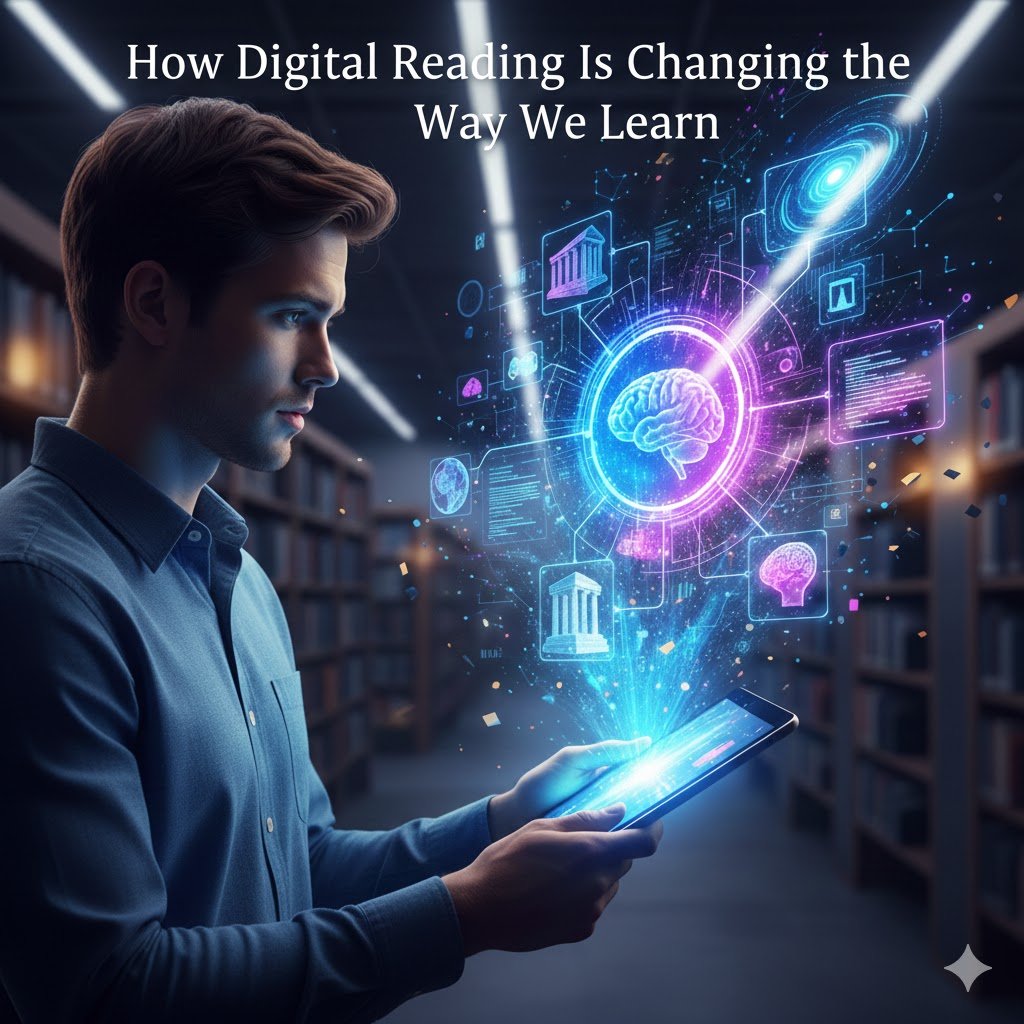
In 2026, digital reading has become an integral part of how people access information and learn. E-books, online articles, audiobooks, and educational apps have transformed the traditional way of reading, offering convenience, accessibility, and interactive learning experiences. This shift is impacting students, professionals, and casual readers alike.
1. Access to a Vast Library at Your Fingertips
Digital reading platforms allow users to carry thousands of books and resources on a single device. Students can instantly access textbooks, research papers, and study guides without worrying about space or cost. Professionals can read industry updates, manuals, and e-books anywhere, making learning more efficient and flexible.
2. Interactive and Multimedia Content
Unlike printed books, digital reading can include interactive features such as videos, audio explanations, hyperlinks, and quizzes. These features enhance comprehension and engagement, especially for visual and auditory learners. Educational publishers in 2026 increasingly rely on interactive digital formats to make learning more effective.
3. Personalized Learning Experience
Digital reading platforms often use AI and adaptive technology to suggest content based on user interests, reading speed, and comprehension levels. Students can receive tailored recommendations, while casual readers discover new authors and genres suited to their preferences. Personalization improves motivation and retention of information.
4. Improved Note-Taking and Annotation
Digital devices allow readers to highlight text, take notes, and bookmark pages efficiently. Notes can be organized, searched, and shared with classmates or colleagues. This enhances learning productivity and allows for easier revision, especially for academic or professional study.
5. Encourages Continuous Learning
With smartphones, tablets, and e-readers, reading and learning can happen anytime — during commutes, breaks, or waiting periods. The ease of accessing educational content encourages people to learn continuously, promoting lifelong education habits.
6. Supports Accessibility and Inclusivity
Digital reading offers features that assist people with disabilities, such as text-to-speech, adjustable fonts, high-contrast modes, and translation tools. In 2026, more inclusive design ensures that everyone, regardless of physical or language barriers, can engage with content effectively.
7. Environmental Benefits
By reducing reliance on printed books, digital reading contributes to sustainability. Fewer trees are cut down for paper production, and the carbon footprint associated with shipping books is reduced. Many educational institutions and libraries now promote digital learning for environmental reasons.
8. Challenges of Digital Reading
While digital reading offers many advantages, it comes with challenges:
- Screen fatigue and eye strain from prolonged reading
- Potential distractions from notifications and apps
- Reduced retention for some readers compared to printed books
- Dependence on electronic devices and power supply
9. Balancing Digital and Traditional Reading
Experts suggest combining digital reading with traditional printed books to optimize learning. Printed books help improve focus, comprehension, and retention, while digital formats provide convenience and interactive features. A balanced approach ensures readers get the best of both worlds.
Conclusion
Digital reading is revolutionizing how we learn in 2026. From personalized learning experiences to accessibility and convenience, technology is reshaping the reading landscape. By embracing both digital and traditional reading, readers can maximize comprehension, engagement, and lifelong learning, making reading a central part of personal and professional growth.
Leave a Reply